
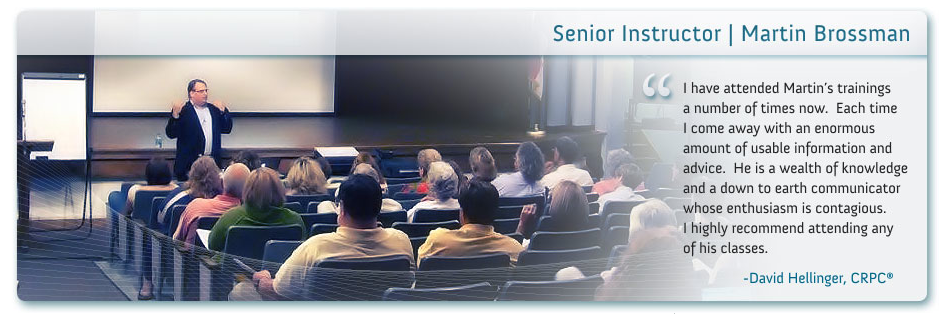
The “But and Therefore Rule” of screenwriting from South Park creators Matt Stone and Trey Parker Compiled by Martin Brossman for his small business training in video, storytelling, and YouTube marketing programs.
The “But and Therefore Rule” of screenwriting, developed by South Park creators Matt Stone and Trey Parker, is a technique used to enhance narrative structure and ensure story progression is driven by causality. Instead of using “and then” to connect events, the rule encourages the use of “but” and “therefore” to link story beats, creating a more engaging and dynamic narrative.
Key Points of the “But and Therefore Rule”:
Replace “and then” with “but” or “therefore”:
Instead of connecting events with “and then,” which can lead to a disjointed and monotonous story, use “but” or “therefore” to introduce conflict and causation.
Example:
“Jimmy went to the mall, and then he realized he was tired. And then he picked up a coffee. And then he parked in an illegal spot because he was tired.”
Revised: “Jimmy went to the mall, but realized he was tired when he stepped inside. Therefore, he picked up a coffee. But since he was tired, he parked in an illegal spot.”
Ensure causation between each story beat:
Each event in the story should lead logically to the next, driven by the characters’ actions and the situations they encounter.
This creates a chain reaction where every scene has a clear cause and effect, maintaining the audience’s interest and investment in the story.
Apply to every scene:
Every scene should have a clear purpose and function as a standalone piece of the story, contributing to the overall narrative.
This approach helps to avoid passive storytelling and keeps the plot lively and engaging.
Create tension and momentum:
By introducing obstacles (using “but”) and consequences (using “therefore”), the story maintains a sense of urgency and direction.
This technique helps to build a compelling and cohesive narrative structure.
Examples in Practice:
Simple Example:
“James goes out for a run, and then it rains, and then he goes swimming, and his ex-girlfriend is there, and then he goes home.”
Revised: “James goes out for a run, but it is raining; therefore, he goes swimming. But his ex-girlfriend is at the swimming pool, therefore he hurries home.”
Famous Literature:
In “Romeo and Juliet”:
“Romeo and Juliet fall in love, but their families are rivals, therefore they cannot be together.”
In “Harry Potter and the Philosopher’s Stone”:
“Harry discovers he is a wizard and goes to Hogwarts, but then learns Voldemort is after him, therefore he must find a way to defeat him.”
The “But and Therefore Rule” is a powerful tool for screenwriters to ensure their stories are engaging, logically coherent, and full of momentum. By focusing on causality and the natural progression of events, writers can create narratives that captivate and maintain the audience’s interest.
See the original video of Matt Stone and Trey Parker explaining the process:
This article is for educational reference and is used in many of Martin Brossman & Associates LLC training courses as one of several resources to stimulate small businesses’ creation of compelling stories that draw in their customers.
Title: Mastering Multimodal Customer Communications: Blueprint for Small Business Success
“Mastering Multimodal Customer Communications: A Blueprint for Small Business Success” by Martin Brossman & Dr. Justin Rose
Description:
In the age of digital conversations, effective communication is more crucial than ever. Our course, “Mastering Multimodal Customer Communications,” is tailored for small business owners seeking to refine their interaction strategies across various platforms such as in-person, phone, SMS, social media, and chatbots. This engaging two-hour session will equip you with the tools and insights needed to transform your customer interactions, ensuring you not only meet but exceed the modern consumer’s expectations for personalized and responsive service.
Learning Objectives:
– Understand the Spectrum of Communication Tools: Gain a comprehensive understanding of the different communication mediums available—from traditional phone calls to advanced digital platforms like social media and chatbots—and how to use them effectively. – Personalized Communication Strategies: Learn to tailor your messaging and responses to fit the unique preferences and expectations of your customers, enhancing engagement and loyalty. – Real-Time Problem Solving: Develop skills to address and resolve customer concerns promptly and efficiently, using the most appropriate communication channels. – Build Trust and Loyalty: Implement strategies that foster trust and build long-term relationships with your customers, turning satisfied customers into loyal advocates. – Leverage Data for Better Interactions: Understand how to use customer data to personalize interactions and predict future communication needs, setting the stage for proactive service. – Navigating Multimodal Challenges: Tackle the complexities of integrating multiple communication platforms and maintaining a consistent brand voice across all channels.
Focusing On Ways That Businesses, Communities, & Individuals Can Support Main Street Retailers
“A whopping 77% of local merchants tell us they still aren’t making as much money as they earned prior to the pandemic. And some are barely hanging on.” — Alignable’s Chuck Casto
This is why launching our roundtable discussion in May was an important move to help jump-start what’s really needed for local merchants: a much better retail recovery across the U.S. and Canada.
Small Business Crusaders Chuck Casto & Mitchell Groves from Alignable co-hosted the event.
The Heart & Soul Of Our Communities & Small Biz Economy
Main Street retailers have long been the heart and soul of our communities. These small businesses contribute to the local economy, provide employment opportunities, and create a unique and vibrant atmosphere.
However, in the face of growing challenges, it’s crucial that we come together to support these businesses now more than ever.
In the roundtable panel discussion on May 22nd, 2023, we explored effective marketing strategies and shared valuable insights for helping Main Street retailers thrive.
Let’s explore the key takeaways and discover how we can band together to make a difference.
Creating An Unforgettable Customer Experience
One of the fundamental tips shared during the discussion was the importance of providing customers with an experience they’ll never forget.
By investing in exceptional customer service and going above and beyond, Main Street retailers can foster customer loyalty and encourage repeat business.
The panelists emphasized the need to constantly innovate and make each visit unique, ensuring customers feel that they’re getting something more with each interaction.
Key Takeaway: Be more than a clerk in your own business, hoping for customers to come in. Instead, enroll customers into being ambassadors of your product or service.
Strengthening Online & Social Presence
In today’s digital age, having a robust online and social media presence, (including YouTube and updated Google Business Profiles) is essential for Main Street retailers.
The COVID-19 pandemic highlighted the significance of e-commerce and online sales channels, even for brick-and-mortar establishments.
By embracing technology and expanding their online capabilities, retailers can reach a broader audience and attract new customers.
Key Takeaway: It’s important not to shy away from the online sphere but rather embrace it as a powerful tool for growth.
Embracing Uniqueness and Standing Out
The panelists unanimously agreed that standing out from the competition is vital for Main Street retailers.
Whether it’s through exceptional customer service, personalized interactions, or showcasing their unique personality, retailers should let their individuality shine.
Fortune favors the bold, and even introverted business owners can find ways to differentiate themselves and leave a lasting impression.
Allowing customers to get to know the people behind the business can build trust and loyalty.
Key Takeaway: Leverage your smallness! A small local brick-and-mortar business has three advantages over a direct-owned business: personal connection to the local community, the ability to adapt quickly, and the people of their business. Don’t hide behind your brand.
Collaborating with Fellow Merchants
The power of collaboration was another key theme discussed by the panelists.
Main Street retailers can team up with fellow merchants to create multi-store events that turn their street into a must-visit destination.
Hosting holiday strolls and other community-driven events can bring people together, generate excitement, and drive foot traffic.
Key Takeaway: By supporting and promoting each other, retailers can collectively benefit and strengthen the local economy.
Understanding Your Cash Flow
Cash flow is vital to the success of any small business.
As panelist Dave Baldwin shared during our event, brick-and-mortar businesses often spend years in “survival mode,” making just barely enough to cover expenses.
We all need to perform a periodic SWOT (Strengths, Weaknesses, Opportunities, and Threats) analysis of business models, especially in the wake of economically disruptive events like the COVID-19 pandemic that has changed the competitive landscape forever.
Key Takeaway: A business may need to re-engineer its fundamental business model to align with current market conditions.
Utilizing Resources and Networking Opportunities
The panelists highlighted the importance of taking advantage of available resources and networking opportunities.
Joining industry-specific groups and seeking advice from peers on platforms like Alignable can provide valuable insights and foster referral networks.
Engaging with local alliances and becoming involved in community events can further enhance visibility and help forge connections within the neighborhood.
Additionally, exploring vendor marketplaces and participating in contests can open doors to new marketing opportunities and increase exposure.
Key Takeaway: If you have a brick-and-mortar business, make sure to write positive reviews of other businesses in your area and on Alignable. If you don’t make an effort to review other businesses, why should anyone review your business?
Concluding Thoughts
Main Street retailers are the backbone of our communities, but they need our support to thrive in today’s challenging business landscape.
By prioritizing the customer experience, strengthening our online presence, embracing uniqueness, collaborating with fellow merchants, and utilizing available resources, we can make a significant impact.
Remember, shopping local and reviewing local businesses can help them flourish and ensure the vitality of our neighborhoods.
Let’s rally together, uplift our Main Street retailers, and create a brighter future for all.
Get Out There & Spend!
What can customers do to support locally-owned and operated Brick and Mortar Businesses?
Shop local whenever possible.
Tell your friends and family about your favorite local businesses.
Leave positive reviews online and share on social media when you are there.
Support local events and festivals.
Donate to local charities that support small businesses.
Make sure local legislators are looking out for small businesses and hold them to it.
These are a few things you can do to help to ensure that Main Street retailers have the support they need to survive and thrive.
You keep money in your community longer by shopping locally-owned-and-operated businesses.
Key Takeaway: We, as merchants, all need to do much more than just chant shop small or shop local. We must creatively work together to create a value worthy of people stepping away from their computer and showing up in our businesses and communities.
Humans often burn brightest in challenging times, and this is one of those opportunities for brick-and-mortar businesses. Find new ways to overcome differences and work together on the ground and on the web to draw in customers for a collective experience that they can not get online alone.
Learn more about our paid group for helping Brick & Mortar Businesses, as well: The Main Street Mastermind. It’s just $29/month and we’re sure you’ll get a lot out of it.
Be sure to watch it and keep your eyes out for future events like it!
Thanks for reading!
A very active Alignable member since 2016, Martin Brossman is a leading authority on Small Business Marketing, Reputation Management, and building a positive digital presence. He has 10,000+ followers online. Martin is a business coach, consultant, and a dynamic trainer known for his insight and humor. He provides customized coaching and training for individuals and groups, integrating digital media, professional networking, and reputation management. Martin is the moderator for the Alignable Brick and Mortar business owners group and runs The Main Street Mastermind Group, as well.
Show Me the Money: Crowdfunding and Modern Funding Paths for Small Businesses Show me the Money – Crowdfunding and other creative ways to get money for Small Business Owners
Developed by: Martin Brossman and Dan Scala Video about the training: https://youtu.be/iTBSf4jGbGU Case Study of success: Interview with an Award-Winning Local Business – OMGoodness Pimento Cheese https://youtu.be/QApBeq56Pdo
Course Description: Crowdfunding is one of many new creative ways of getting funding for small businesses. This class demystifies crowdfunding and other new ways to get money for small businesses today with a lower barrier to entry. You will learn the how-to of getting money for your business and what is the right funding to explore. Developed by Social Media and Small Business Marketing expert Martin Brossman and Small Business Funding expert Dan Scala.
Learning Objectives: Understanding the different new top creative funding ideas and which one is right for you.
Course Materials: Handout and extensive online resources of links to gain more knowledge.
Who is it for: Small Business Owners, Entrepreneurs, and Inventors.
Course Length: 2 hrs
Trainers and Developers Martin Brossman and Dan Scala
Martin Brossman is a leading authority on social media and online marketing. He is a business coach, consultant and dynamic trainer known for his insight and humor. A member of the National Speakers Bureau, Martin is a popular speaker on social media topics. He teaches at North Carolina Community College Small Business Centers throughout the state.
Martin offers customized coaching and training solutions for individuals and groups integrating social media, social networking, and reputation management strategies. An advocate for professional transparency, Martin is a catalyst for achieving powerful business results with integrity. An overview is featured on his website, ProNetworkingOnline.com.
His recent books, Linking Into Sales and Social Media for Business, provide guidance and resources for accelerating professional networking and marketing; both are available at Amazon.com.
Martin’s clients have included: IBM, SAS, GlaxoSmithKline, EPA, Women’s power networking, North Carolina Association of Certified Public Accountants, Professional Photographers Association of NC, Small Business Centers, Chambers of Commerce, Counties and Towns across NC…. to name a few.
Active Member of ASTD—American Association for Trainers and Developers, NSA—National Speakers Association
Recognition: 2007 Ron Hering Mission of Service Award, 2009 Ethel N. Fortner Writer and Community Award from St. Andrews Presbyterian College, RTP volunteer of the year 2001 by the Governor of NC & IBM Mean’s Service award, completed, Fonder of the KI Coaching: Coaching Certification Program, Founding member of UPSA of RTP, Certified & Registered Sales Professional (CRSP), Certified & Registered Sales Professional Trainer (CRSP-T)
Dan Scala Dan is the co-founder of the “Center for Excellence”, a learning and development center serving small business owners and entrepreneurs in the Raleigh area.
He holds a bachelor’s degree in Electronics Engineering from the University of South Carolina.
Dan spent 25 years working as an Engineering Manager in a variety of Computer companies.
Over the past 17 years, he has started up and grown several businesses and companies, including a management consulting firm, a commercial real estate development company, a business brokerage firm, 2 restaurants, a convenience store and 4 truck rental agencies.
He is a graduate of the Council for Entrepreneurial Development’s Fast Track 1 and 2 programs and has grown 2 of his companies to over the million-dollar mark . He currently serves as a volunteer member of the speaker’s bureau with the Raleigh Chapter of SCORE .
Dan currently spends his time dedicated to helping others interested in starting up and growing new businesses.